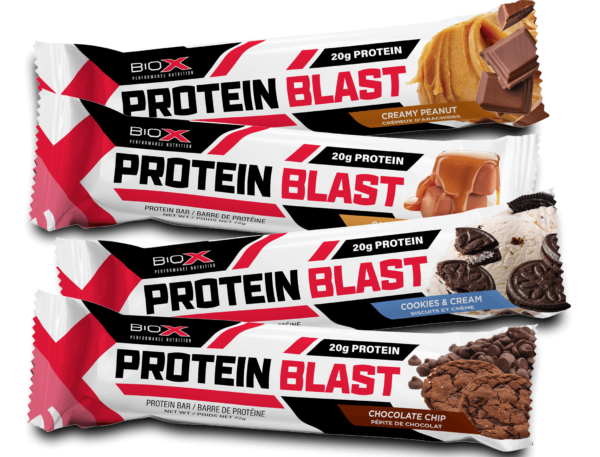
Protein blast bars are a mainstay in many people's diets because of their nutrients, portability, and ease of use. Protein blast bars offer a convenient snack alternative. They may improve food intake and aid weight loss, among other health benefits. But they can also include things like artificial chemicals and extra sugar.
This has all you need on protein bars. It covers nutrition, benefits, and drawbacks. It also covers how to pick the best bar for your diet. Let's read!
1. Could Encourage Loss Of Weight
Increasing the amount of protein blast in your diet is a good strategy to encourage weight reduction. The most satisfying macronutrient is protein, which your body needs in significant quantities. It promotes satiety (fullness) hormones such as peptide YY (PYY) and glucagon-like peptide 1 (GLP-1) and slows down digestion.
Eating meals and snacks high in protein can make you feel full after eating. It may encourage you to eat fewer calories. Both can help you lose weight.
For instance, a small study conducted in 2020 found that people felt much fuller and ate 16% fewer calories. This happened when they ate a high-protein, high-fiber bar before a meal instead of drinking water.
Numerous additional studies have demonstrated the efficacy of high-protein diets in promoting fat reduction and optimizing body composition.
2. Could Assist In Increasing Nutrient Status
Protein bars often include fiber, vitamins, minerals, and healthy fats in addition to protein. Although the components of protein bars can vary greatly, many of them include foods high in nutrients, such as nuts and dried fruits.
B vitamins and fiber powders are among the extra nutrients found in many protein bars. Many groups, including elderly folks and those adhering to stringent diets like vegetarianism, may have low levels of vitamin B12. Protein bars are a convenient source.
If you're not comfortable taking supplements in tablet form or just want to enhance your intake of essential nutrients, protein bars might be a useful tool.
3. An Easy Way To Get Calories And Protein
Protein blast bars offer a portable and easy-to-transport source of calories and protein. If you don't have the time or money to make substantial meals or snacks, they could be a useful alternative. Compared to many other convenience meals like chips and cookies, protein bars are more nutritionally balanced.
Protein not only makes you feel fuller but also reduces the rate at which glucose enters your bloodstream, supporting normal blood glucose levels.
When cooking a meal is not an option, certain protein bars are designed to be higher in calories and protein. This allows them to be consumed in place of meals.
For people with higher protein and calorie requirements, such as developing teens and sportsmen, they can be quite beneficial. Protein bars are a handy source of nutrition on days when you're feeling peckish. You may carry them in your workout bag, backpack, or locker.
The Nutritional Value of Protein Blast Bars
Protein blast bars differ significantly in nutrient value. They are made with different components and are designed for different uses.
Additions like protein powders, nuts, and whole grains affect the amount of protein, fat, carbohydrate, fiber, vitamins, and minerals. They also affect the amount of added sugars.
You can only find out what ingredients and nutrients are in your protein blast bar by reading the nutrition labels.
The breakdown of nourishment is as follows:
Calories: 170
Fat: 6 grams (g)
Protein: 15 g
Carbohydrates: 21 g
Fiber: 7 g
Added sugars: 5 g
Folate: 25% of the Daily Value (DV) or 95 micrograms (mcg)
Biotin: 43 mcg, or 140% of the DV,
B12: 35% of the DV, or 8 mcg
Every serving of most protein bars has at least 10 grams of protein. Protein bars come in a wide range of protein contents, ranging from less than 10 grams to more than 30 grams per bar. Certain bars also contain more fats, carbs, and fiber.
Protein blast bars are for particular diets, like low-carb ones. They have more fat and much less carbs.
The variations in sugar concentration are equally significant. While some bars are sugar-free or sweetened with sugar substitutes like monk fruit or sugar alcohol, many bars have several teaspoons of added sugar per serving. Certain bars have no added sugar and dried fruit.
When looking for a protein blast bar to meet a goal, such as gaining or losing weight or fitting into a diet, you must read the contents and nutrition labels.
Summary
Each protein blast bar has a different amount of calories. High-calorie protein bars are sometimes recommended for usage as meal replacements.
Eaters who don't think about how those more calories fit into their overall diet may wind up gaining unwanted weight over time, even when higher-calorie bars are suitable for a substantial snack or light lunch.


.jpeg)

